
Inspection AX›PBS
PBS
Physically-Based Synthesis · Physics-Based Synthetic Data
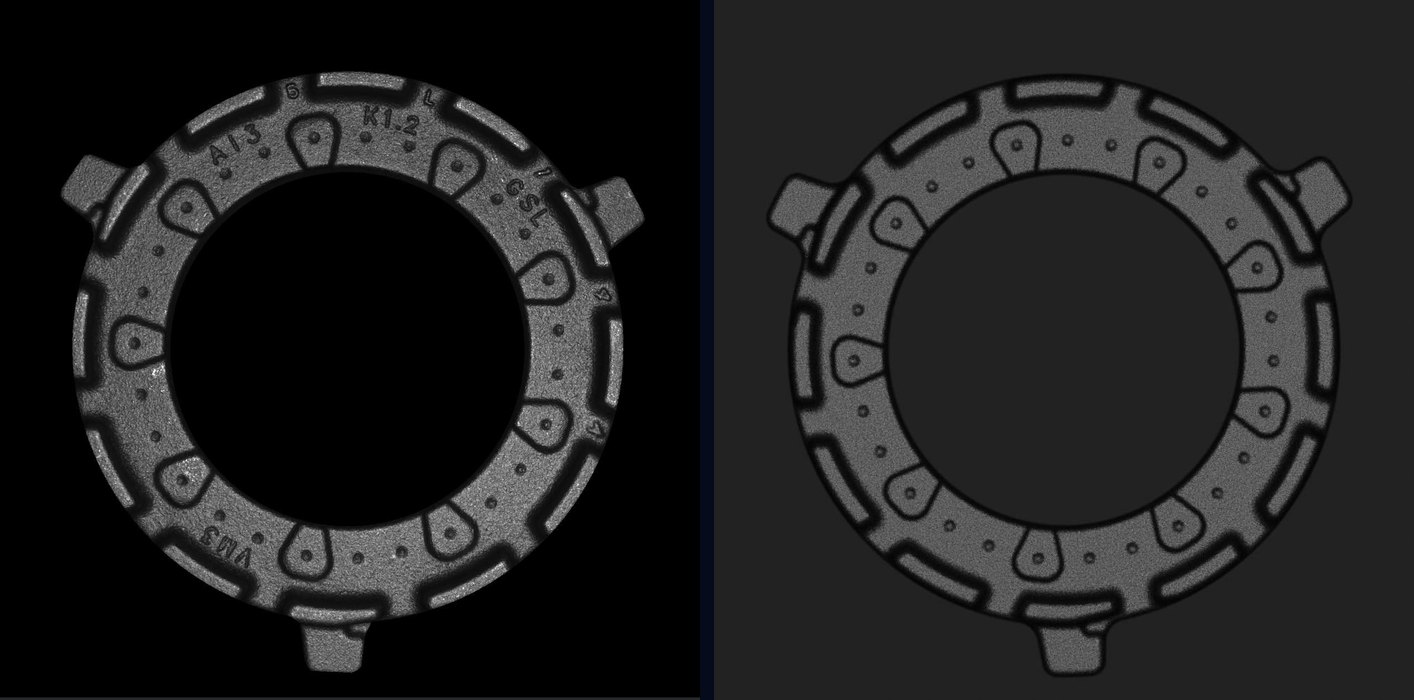
Physically-based synthesis (PBS) simulates the interaction of light and matter to generate realistic defect training data, not the probabilistic images of generative AI.
PBS
The barrier to putting inspection AI on the line:
not enough training data
More and more battery, electronic component and auto parts lines are bringing AI into visual and X-ray inspection.
But once a trained model goes onto a real line, it hits the data barrier first, regardless of how good the algorithm is.
Scarce NG samples
Defective (NG) samples are rare by nature, and every time an inspection item changes, data has to be collected and labeled again.
Limits of generative AI data
Generative AI produces plausible results based on probability, but it cannot reflect the physical properties of the object. Only synthetic data that reflects those physical properties can be expected to stand in for real data.
Generative AI vs Physically-Based Synthesis (PBS)
Keep the shape, change only the defects and imaging conditions
to create training data close to real captures
| Category | Generative AI image generation | Physically-Based Synthesis (PBS) |
|---|---|---|
| Method | Creates new scenes from text or example images | Generates images reflecting the physical properties of 3D shape, material and lighting |
| Strengths | High creative flexibility for fast, varied styles | Simulates material–light interaction · high physical accuracy and realistic results |
| Limitations | Lacks real physical accuracy · hard to keep 3D geometry consistent | Requires manual setup and explicit 3D models |
| Shape consistency | Adding only a fine defect to the same part requires extra control to keep the shape consistent | Changes defects and imaging conditions while keeping the shape |
In manufacturing inspection, what matters is changing defects and imaging conditions while keeping the part's shape. SNUAILAB Physically-Based Synthesis is built on PBS that reflects CAD geometry, light and material.
SNUAILAB Physical-Synthetic
From shape and material to defects, lighting and labels,
all generated together
- 01
Shape · material close to the real product
- Corrects shape differences between CAD and the real product
- Acquires surface material information with deep learning
- Automatic CAD part classification and material matching
- 02
CAD-based defect generation · lighting simulation
- Creates defects by modifying the 3D shape
- Generates synthetic images under specific lighting conditions
- 03
Automatic labels · ready-to-use training data
- Generates consistent label data together with images
- Usable directly as training data for our own or third-party deep learning solutions
Expands training data for manufacturing inspection AI across diverse defects and imaging conditions.
Process
From CAD input
to automatic label output
- 01
CAD input
CAD loading
Part classification · material matching - 02
Gap compensation
Compensates CAD-to-part deviation
and surface roughness - 03
Optical simulation
Lighting · camera · lens
Physically-based rendering - 04
Defect generation · labeling
Shape-change defect generation
Automatic label output
From a single CAD model, it generates large volumes of consistent training data while changing viewing angles and conditions.
PBS
Photorealistic defect images
with consistent, accurate labels
- 100%Accurate, consistent labels generated automatically
- 3 typesCoaxial · ring · area lighting simulation
- CADAutomated part classification · material matching
- ReadyDirectly usable as training data for our own or third-party deep learning
Core Technology
Photorealistic defect data generation
that physically reproduces lighting, camera and material
Physically-based Rendering
Reproduces light–matter interaction through physics computation to generate photo-quality images
Computational Imaging
Acquires surface material information through deep learning-based computational imaging
Optical Simulation
Models the optics, including coaxial · ring · area lighting, telecentric lenses and flare effects
Auto Labeling
Generates defect labels automatically, ready to use as training data for our own or third-party deep learning
Examples · CAD-to-Part Gap Compensation
Closing the gap between CAD and the real product
for more realistic synthetic images
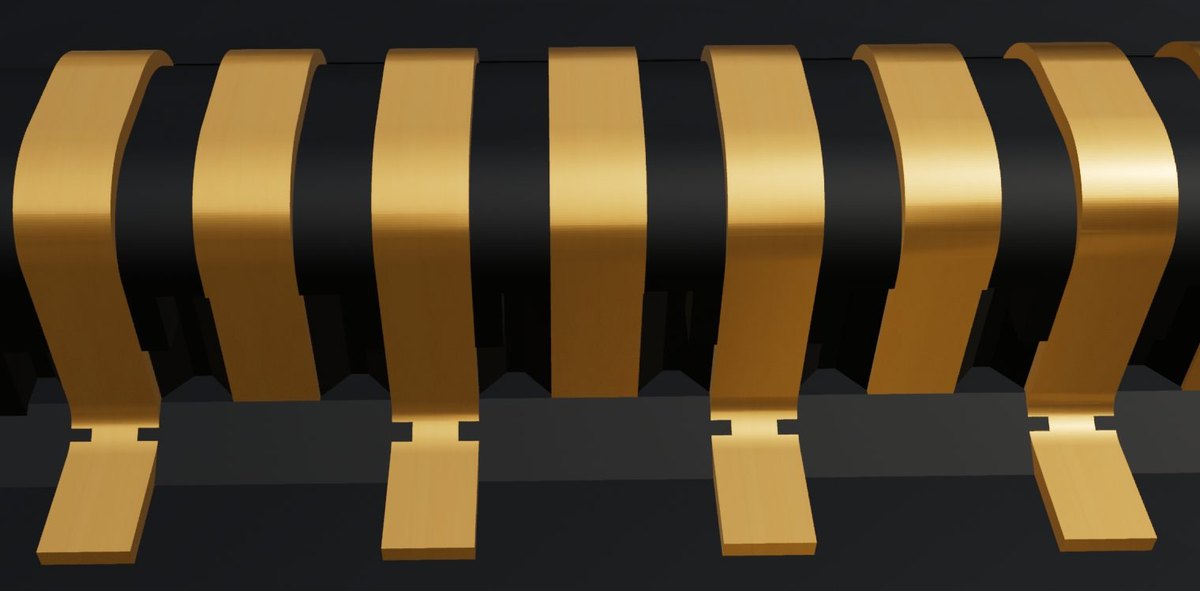
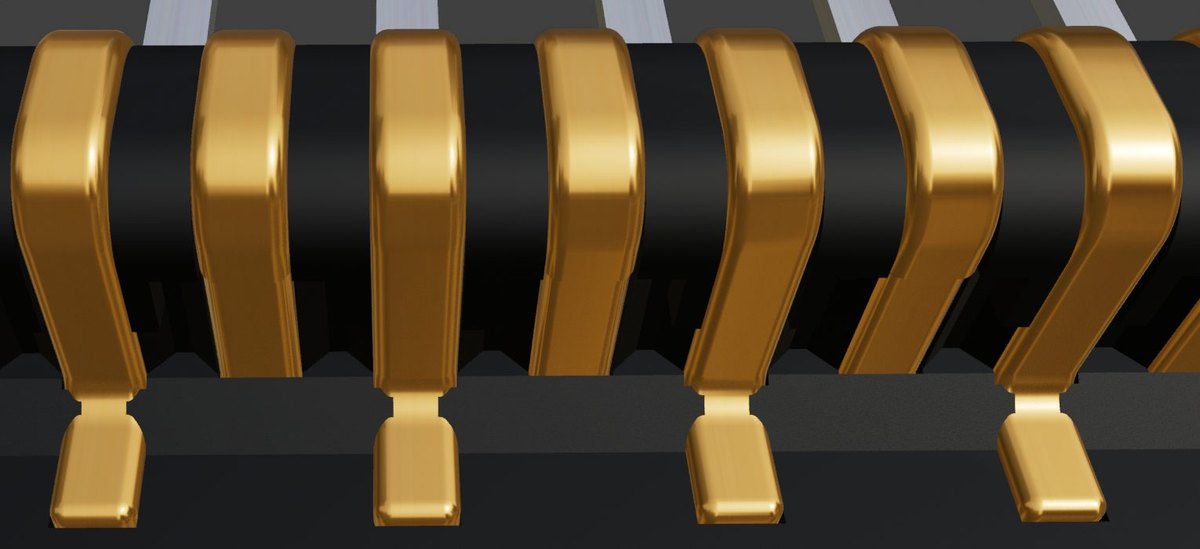
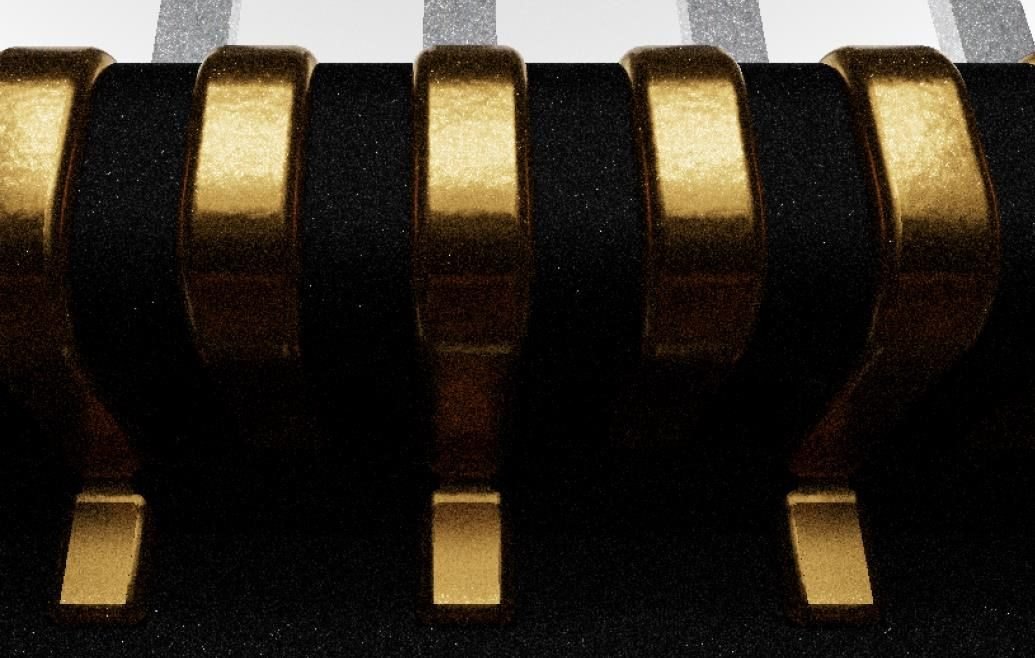
A CAD file is an idealized model that does not reflect the real part's material properties, machining deviations or deformation. PBS detects and compensates the gaps that affect imaging, such as rounding, machining deviation and assembly deviation.
Generation Examples · Defect Shapes and Viewing Angles
Data generated with varied
defect shapes and viewing angles
Creates defects by modifying the product's 3D shape and renders synthetic images from various viewing angles.
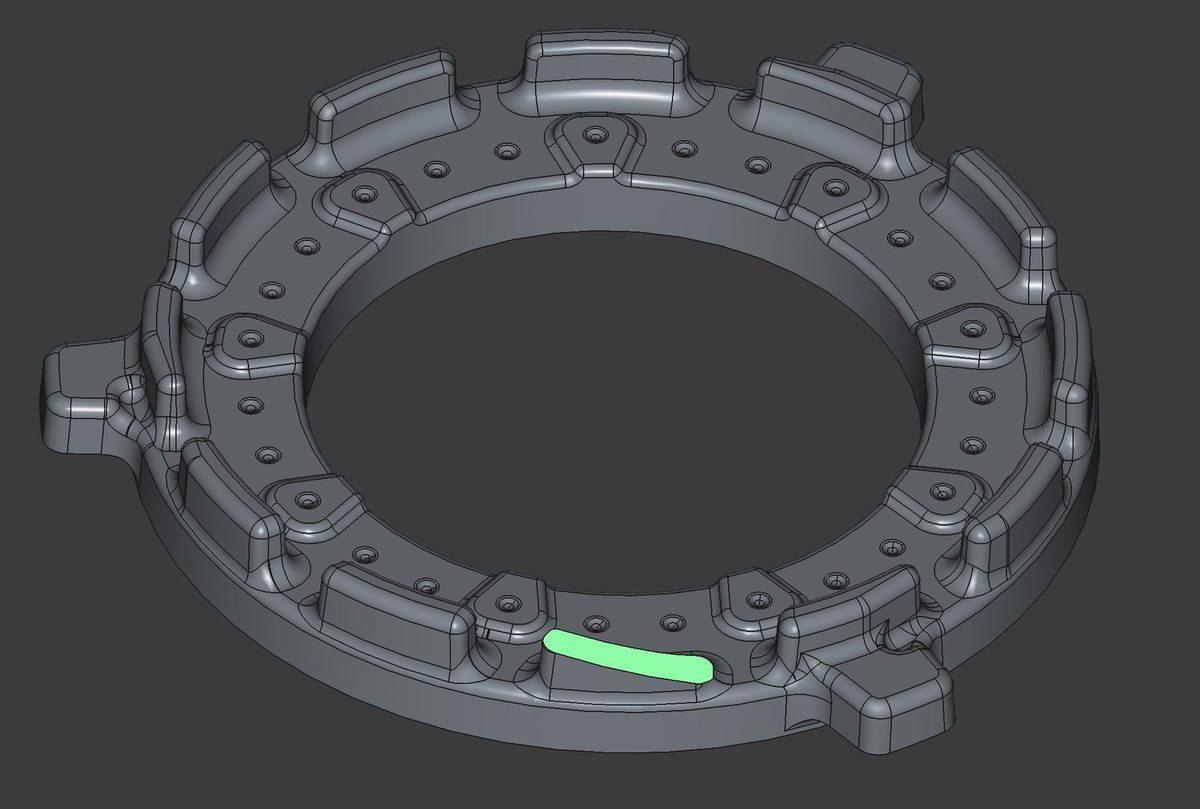
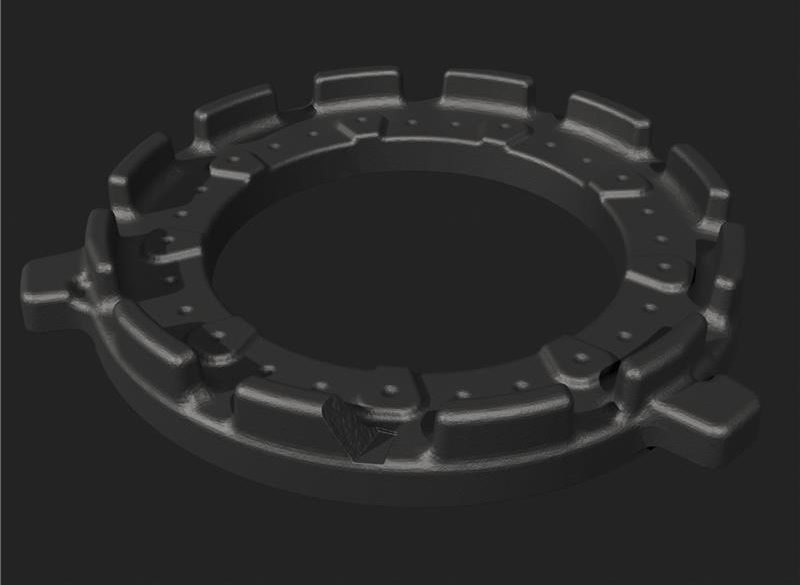

Examples · PBS-Based 3D Damaged Surfaces
Applying material effects
to generate realistic damaged surfaces
Both the shape and the surface texture of the damaged area are rendered.
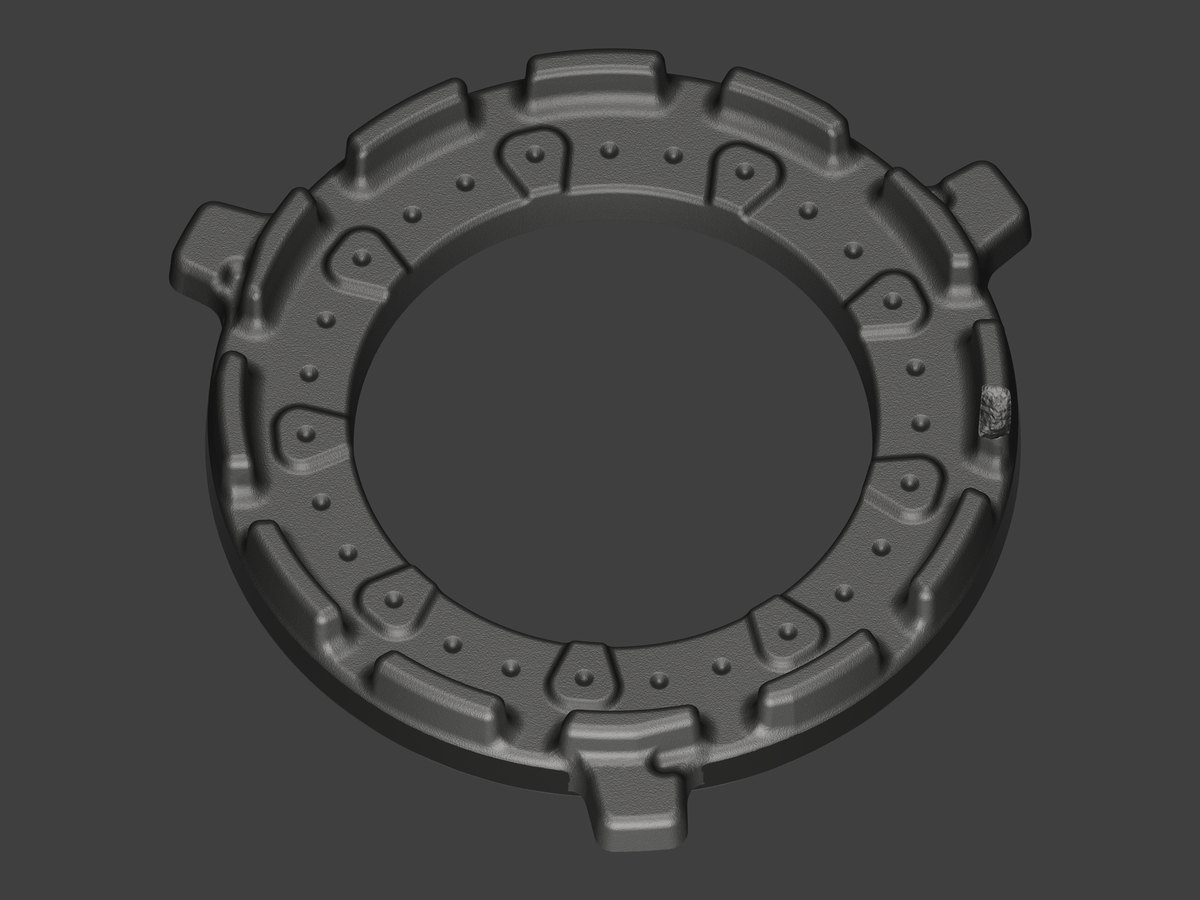
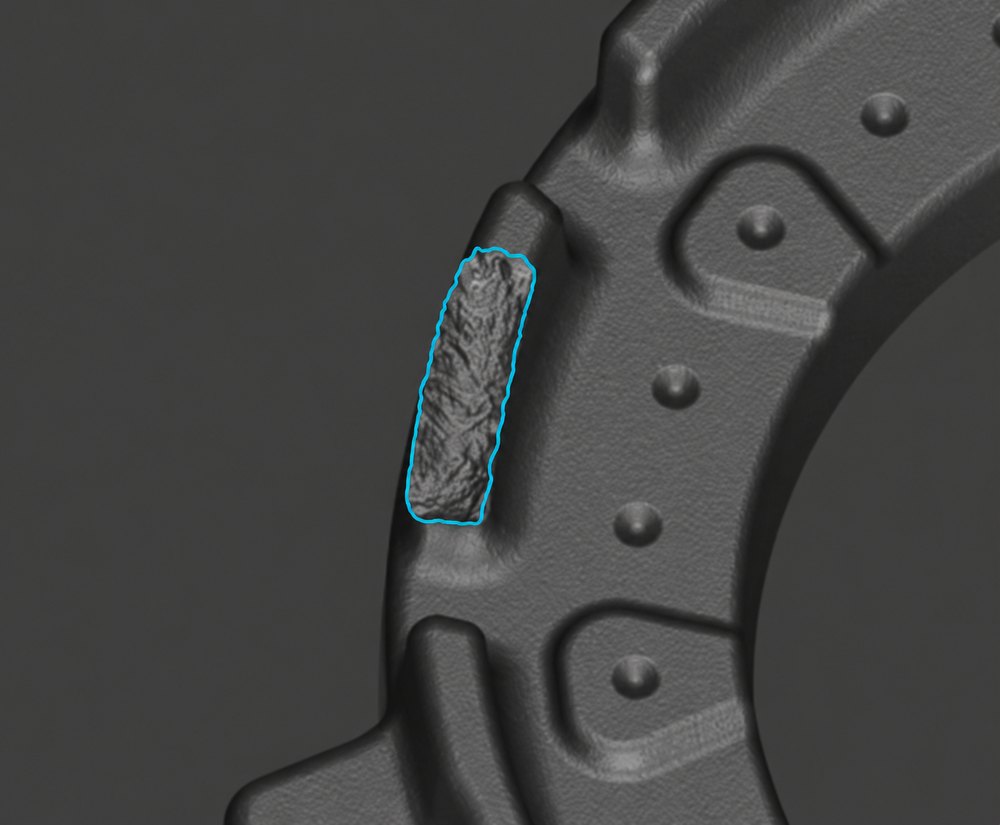
Realistic damage images are generated and used as defect training data for manufacturing inspection AI.
When to Use
When you need PBS
- 01
Not Enough Data
AI is in place, but training data is short
- 02
Very Few NG Samples
Defect samples are extremely rare
- 03
Frequent Inspection Changes
Inspection items change often and come in many types
Best suited for: lines where NG samples are rare or inspection items change often
Short on defect samples?
Start with SNUAILAB PBS
Maximize your business values
by adopting industry-specific AI solutions.